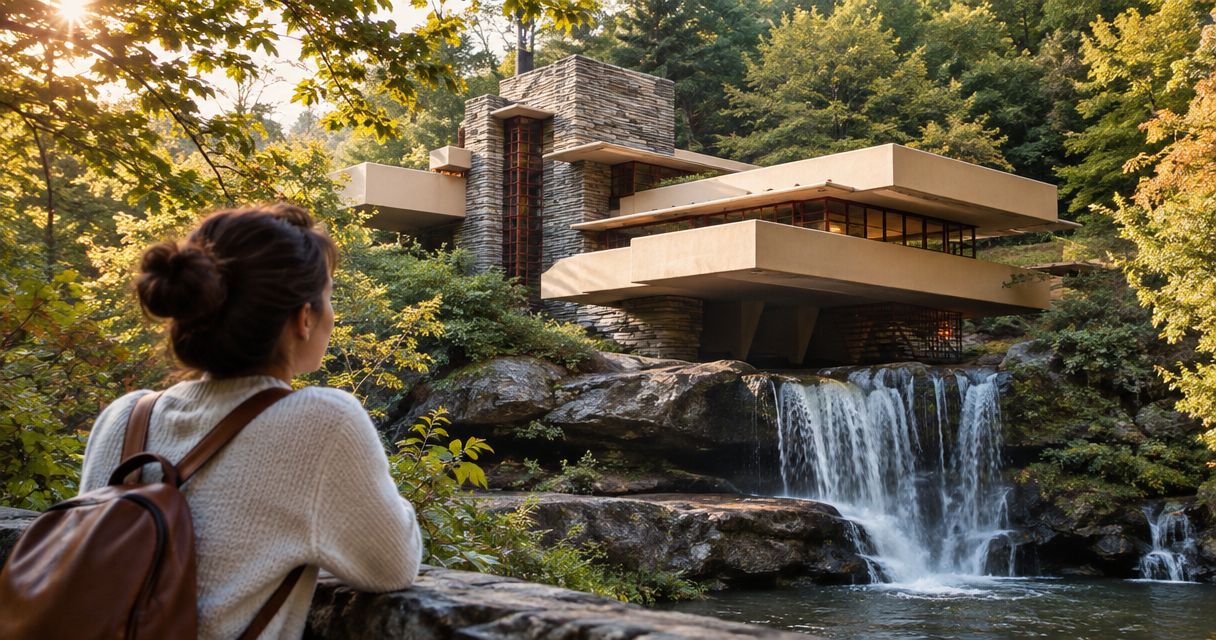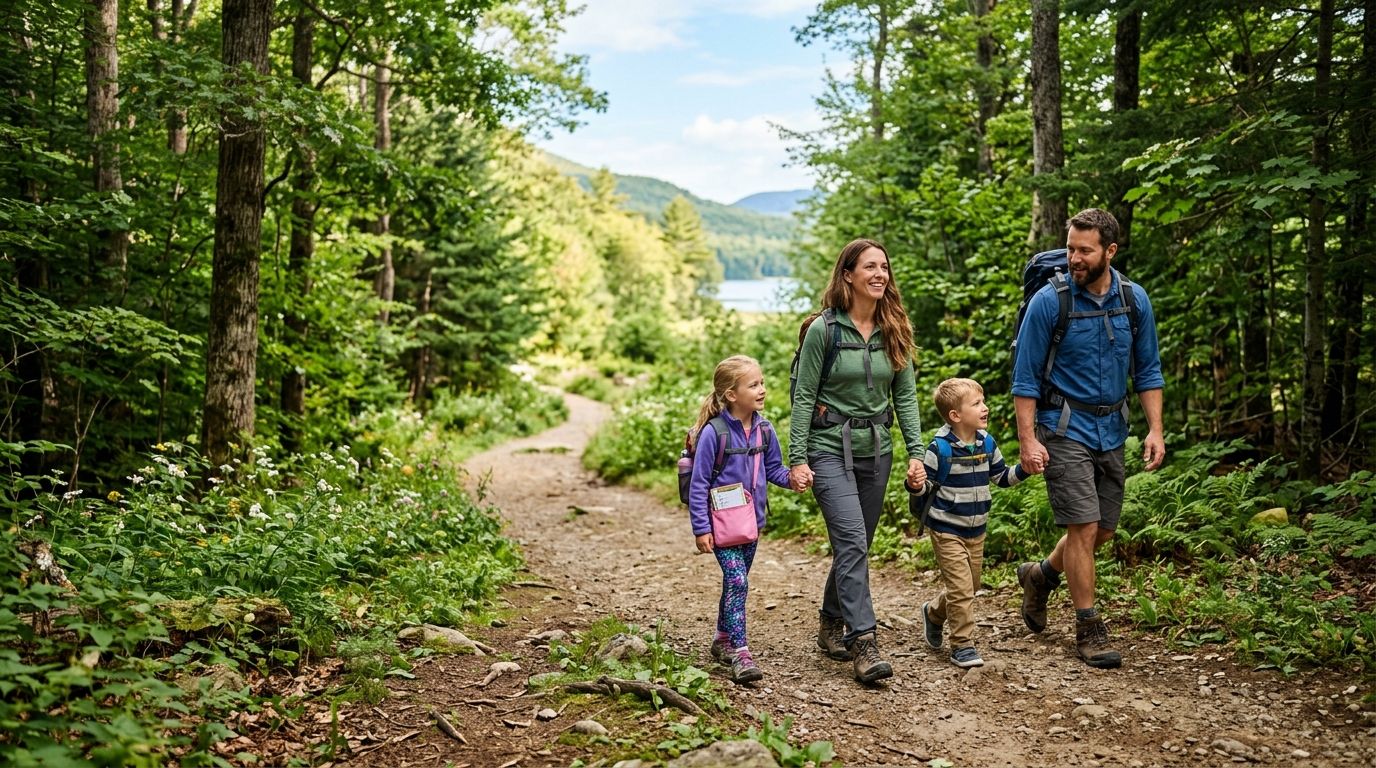
A state park checklist for families with kids turns weekend park visits into a shared goal your kids will actually ask to keep working on, pairing short trails and playgrounds with Junior Ranger badges on one printable tracker built for what young hikers can handle in 2026. Families need different filters than solo hikers or retirees: trail length, stroller access, restroom locations, and badge programs matter more than mileage records or scenic overlooks.
- A state park checklist for families with kids works best when it filters by trail length and amenities, not just park name.
- Junior Ranger and Explorer badge programs at most state park systems are free and give kids a built-in reward loop.
- A spreadsheet or the state agency app covers basic tracking; a printable passport like Triptyka's adds structure a phone doesn't.
- Cap drive time near 90 minutes and trail loops near 1-3 miles for kids under 10 to avoid the parking-lot meltdown.
- Triptyka's state park checklist is the pick for families collecting visits across states through 2026 and beyond.
Why this matters for families with kids
According to the National Association of State Park Directors, the U.S. runs well over 10,000 state park system units across all 50 states — far more choices than the 63 national parks most bucket lists focus on. That volume is a gift and a trap: parents have endless options nearby, but no single source flags which ones are stroller-friendly, which have a splash pad, and which have a Junior Ranger booklet waiting at the visitor center.
Kids under 10 don't care how many parks are on a state park checklist trackers list — they care whether the trail has a creek to poke sticks in and whether there's a bathroom within 20 minutes. Building the list around those constraints, not around completionism, is what separates a checklist families finish from one that gets abandoned after visit three.
State parks also vary wildly park to park within the same state: one might have paved boardwalks and a nature center, the next might be a gravel lot and a single unmarked loop. A family-specific state park checklist has to carry notes on terrain and amenities, not just a checkbox.
Filter parks by trail length and terrain before you filter by name
Start with the trail, not the destination. A park with a famous overlook is worthless to your family if the only way there is a 4-mile climb.
- Check the state park website's trail difficulty rating before you drive anywhere
- Cap round-trip distance at 1 mile for kids under 5, 2-3 miles for ages 6-10
- Look for "family loop," "nature trail," or "accessible" tags in the trail description
- Confirm elevation gain stays under 200 feet for a first visit to any new park
- Ask about paved or boardwalk sections if you're bringing a stroller or wagon
Build a packing list specific to state parks, not national parks
State parks skew smaller and closer to town than national parks, which changes what you need to bring. Cell signal drops fast once you're past the parking lot in most rural units.
- Water — at least one liter per person for anything over 30 minutes
- Sun protection and bug spray, even for shaded trails
- A printed trail map, since many state park units have no cell signal
- A basic first-aid kit sized for scraped knees, not emergencies
- Extra socks and a spare pair of shoes for creek crossings
- A tick check routine built into the drive home
Track Junior Ranger and Explorer badge programs park by park
Most state park systems run some version of a Junior Ranger or Junior Explorer program, and it's usually free at the visitor center or downloadable from the park's website. This is the single best built-in reward loop for kids on any state park checklist.
- Check the visitor center or park website for a free badge booklet before you arrive
- Note the age minimum — many badge programs start at ages 5 to 7
- Confirm whether the badge needs a ranger-led program or is self-guided
- Keep completed booklets and pins in one folder so nothing gets lost between parks
- This is where a printable tracker earns its place: a single-page log turns scattered badge booklets into one running state park checklist for families with kids you can flip through in the car
Plan visits around amenities, not attractions
A scenic vista means nothing to a 6-year-old who needs a bathroom in the next 10 minutes. Filter by amenities first, and let the scenery be a bonus.
- Playground on-site, not just a picnic table
- Splash pad, swim beach, or shallow creek access for hot months
- Picnic shelters, and whether they need a reservation
- A visitor center with restrooms open on your visit day
- At least one ADA-accessible or stroller-friendly trail option
- Nearby food or concessions, since many state parks have none
Set a visiting cadence that fits a school calendar
A state park checklist dies fast when it's built around "someday." Build it around the calendar you already have.
- One park per month during the school year, two per month in summer
- A spring break sprint for parks more than an hour from home
- A fall foliage push for parks with color-change trails
- A holiday-week visit to parks that stay open and quiet
Log the visit before you leave the parking lot
Memory fades fast with kids who visit five different parks in a season. Log the visit while it's still fresh, not three weeks later.
- Date and park name
- Trail walked and rough distance
- Badge earned, if any
- One photo
- One "best moment" note in the kid's own words if they're old enough to write it
Turn the finished checklist into a reward, not a chore
The checklist format only works if finishing something feels like winning, not homework.
- Pick a milestone — 10 parks, 25 parks, every state park in your home state
- Tie the milestone to a small reward: a bigger day trip, a special badge, a certificate you print yourself
- Let the kid pick the next park once a milestone hits, to keep buy-in high
Comparing your options for family state park tracking
| Option | Best for | Format | Key limitation |
|---|---|---|---|
| Free spreadsheet | Parents who already live in Google Sheets | Digital, fully editable | No built-in trail-length or amenity fields |
| State park agency app | Real-time trail alerts and closures | Mobile app | Covers one state only, not a multi-state trip |
| Junior Ranger booklet | One badge at one park at a time | Paper, per-park | Not a running tracker across multiple parks |
| Triptyka state park checklist | Families collecting visits across states through 2026 | Printable PDF | Static list, no live trail alerts |
Verdict: the Triptyka state park checklist is the pick for families who want one printable passport that outlasts a single park visit, not an app that only covers the state you're standing in.
Get the printable state park checklist
A single passport for tracking every state park visit with kids.
Common mistakes families make with a state park checklist
- Picking parks by proximity, not difficulty. A park 10 minutes from home with a 3-mile unshaded loop is worse than a park 40 minutes away with a stroller-friendly half-mile trail.
- Skipping the Junior Ranger booklet because it "takes too long." Most badge activities finish in under 30 minutes and can be done before lunch.
- Not checking parking capacity at popular parks. Weekend visits to well-known state parks can hit capacity by mid-morning, turning families away at the gate.
- Overloading the first visit. Trying to hit the trail, the badge program, the beach, and the visitor center in one trip burns out a 5-year-old by hour two.
- Losing certificates and badges with no central tracker. Without one running checklist, completed badge booklets end up scattered across backpacks and glove compartments.
Families chasing a broader road-trip angle can pair a state park checklist with a national parks checklist for RV travelers for longer summer trips, or add a dark sky park checklist for families ready to try a nighttime stargazing stop.
FAQ
What age can kids start doing a state park checklist?
Most families start around age 3 to 4 with short, flat trails under a mile, and Junior Ranger badge programs typically open up at age 5 to 7. Younger toddlers can still join for playground and picnic stops even before they hike.
Is a state park checklist better than a national park checklist for young kids?
State parks tend to be closer to home, less crowded, and shorter to hike, which makes them a better fit for kids under 8. National parks work better once kids can handle longer drives and multi-mile trails, usually by age 9 or 10.
How much walking is reasonable for a 5-year-old at a state park?
A round-trip loop of 1 to 2 miles on flat terrain is reasonable for most 5-year-olds. Anything with real elevation gain or more than 2 miles risks a meltdown before you reach the halfway point.
Do state parks have Junior Ranger programs like national parks?
Most state park systems run their own version, often called Junior Ranger or Junior Explorer, and it's usually free at the visitor center or downloadable online. Age minimums and requirements vary by state and by park.
What's the best way to track state park visits with kids?
A printable checklist like Triptyka's state park passport keeps trail notes, badges, and visit dates on one page you can flip through in the car. A free spreadsheet works too, but it won't come with built-in fields for trail length or amenities.
How many state parks are there to visit in the US?
The National Association of State Park Directors counts well over 10,000 state park system units across all 50 states, far more than the 63 national parks most families track first.
Is Triptyka's state park checklist good for toddlers?
Yes, since it tracks visits and amenities rather than requiring a completed hike, so a toddler-friendly playground or picnic stop still counts as a checked-off park.
What should be on a family state park packing list?
Water, sun protection, a printed trail map since cell signal is unreliable, a basic first-aid kit, and a spare pair of shoes for creek crossings cover most short family hikes.
One last thing
Most Junior Ranger badge activities take under 30 minutes to finish, which means a single afternoon at one park can check two boxes at once — the visit and the badge — if you bring the booklet and a printable state park checklist together instead of tracking them separately.