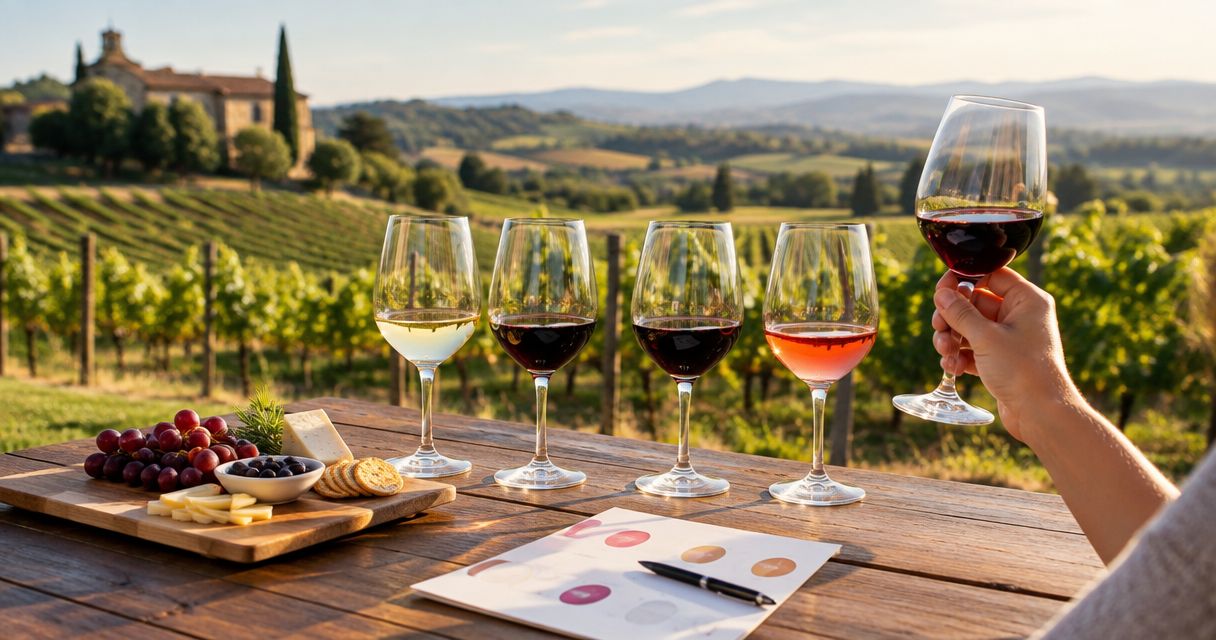
A wine trail tasting pass costs $45 on average in 2026, with single-day passes running $20 to $45 and multi-day VIP passports climbing to $150 or more. The advertised price almost never covers transportation between wineries, food pairings, or the reserve-tasting upgrade the tasting room staff pitch once you're standing at the counter.
- A wine trail tasting pass costs $45 on average in 2026, ranging from $20 for a single-day ticket to $150+ for a VIP passport.
- Paying per winery instead of buying a pass wins once your day includes three tastings or fewer.
- Transportation, food pairings, and reserve-pour upgrades are the hidden costs most passes leave out.
- Napa and Sonoma trails price 20-40% above emerging regions like Texas Hill Country or Virginia for the same number of stops.
Why This Matters
Wine trail passes get marketed as a bundle deal, but the math only works if you actually redeem most of the stops included. A trail with eight participating wineries priced at $60 only beats pay-per-tasting once you hit four or five of them — skip half the list and you've overpaid.
Pricing also swings hard by region. A vineyard and wine trail checklist tracker helps you plan which stops are worth the pass price before you buy, instead of guessing at the ticket counter. Napa Valley and Finger Lakes trails run at the top of the range in 2026; smaller regional trails in the Midwest and South tend to sit closer to $20-$35 for a full day.
How Much Does a Wine Trail Tasting Pass Cost in 2026?
| Pass type | Typical cost (2026) | Wineries included | Best for |
|---|---|---|---|
| Single-day trail pass | $20-$45 | 4-8 | Day trips |
| Multi-day passport | $60-$120 | 10-20 over 2-3 days | Weekend wine trips |
| VIP / reserve pass | $100-$200+ | 4-8, reserve pours | Anniversaries, special occasions |
| Pay-per-tasting (no pass) | $15-$25 per stop | Unlimited stops | Casual visitors under 3 stops |
The pattern holds across most US wine regions in 2026: passes save money in volume, individual tastings win on flexibility.
Single-Day Wine Trail Pass: $20-$45
A single-day pass usually covers four to eight participating wineries with a standard pour at each stop — no reserve wines, no food pairing included. It's the entry point most trails sell to first-time visitors and it typically beats paying per tasting once you cross the four-stop mark.
The catch: most single-day passes expire at midnight and don't roll over unused stops to a second visit. Buy this tier if you're doing one focused day of tasting and skip it if your itinerary is loose.
Multi-Day Wine Trail Passport: $60-$120
Multi-day passports stretch across 10 to 20 wineries over two or three days and price out cheaper per stop than the single-day option. They're built for a weekend trip where you're staying overnight in the region anyway.
The tradeoff is logistics: covering 15+ wineries in a weekend means tight scheduling and driving between tasting rooms that can be 20-40 minutes apart depending on the trail's layout. Buy this tier for a planned weekend trip; wait if you're only passing through for an afternoon.
VIP Reserve Tasting Pass: $100-$200+
VIP and reserve passes cover fewer wineries — usually four to eight — but add estate-reserve pours, library wines, or a cellar tour that isn't available on the standard pass. This tier is priced for the experience, not the volume of stops.
It's the right call for a milestone trip where the extra $60-$150 buys pours you can't get any other way. Buy this tier for an anniversary or bachelorette-style trip; skip it if you're just collecting stamps on a checklist.
Why Wine Trail Pass Prices Vary
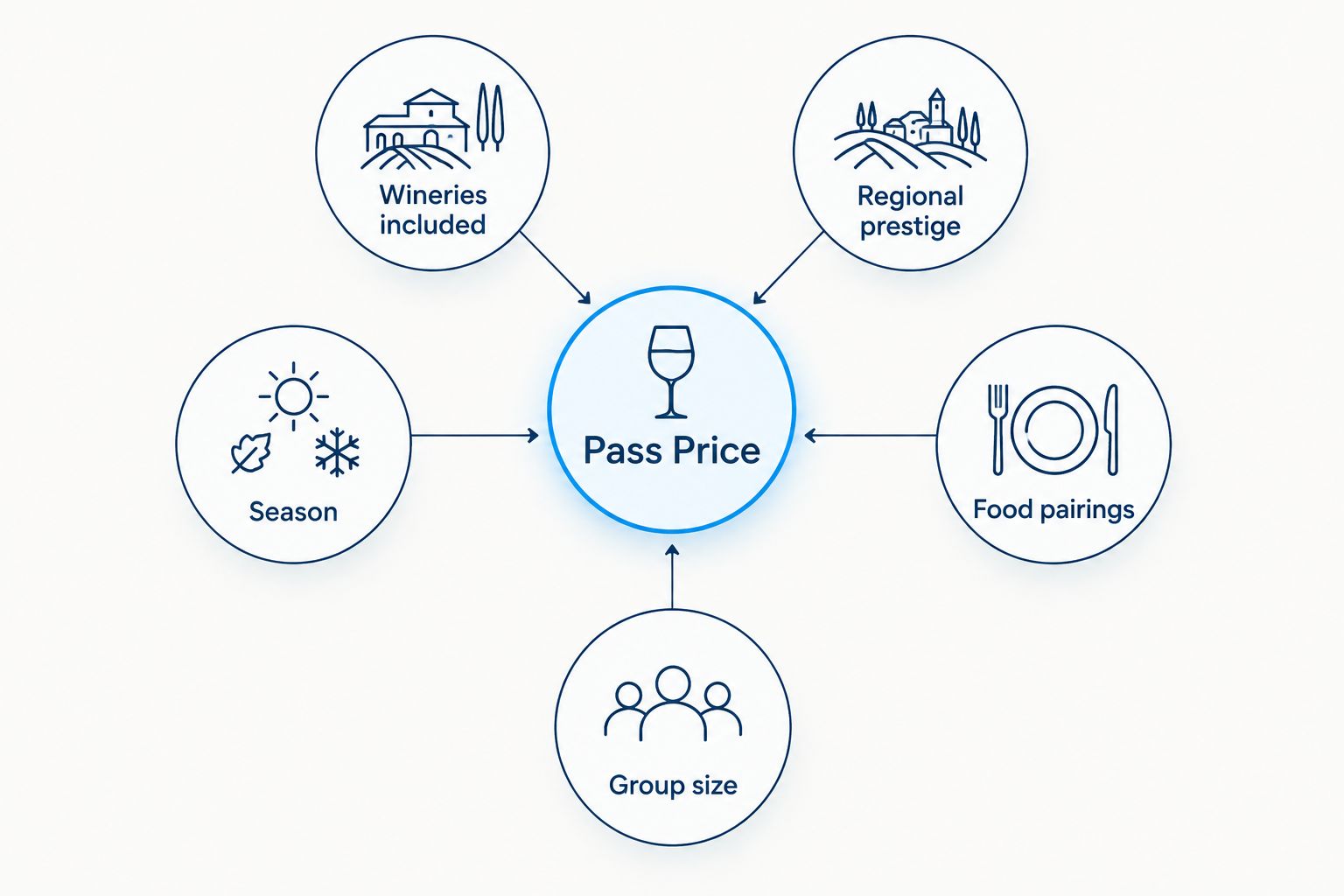
- Number of wineries included and pour size — a pass covering full 2-ounce pours at eight stops costs more than one covering half-ounce samples at the same number.
- Regional prestige — Napa Valley and Sonoma tasting rooms charge more per pour than trails in Texas Hill Country, Virginia, or the Finger Lakes, and passes inherit that pricing.
- Season — peak harvest weekends in September and October push VIP pass prices higher across most US wine regions in 2026.
- Food pairings bundled in — a cheese board or small plate at each stop adds $10-$20 per winery to the base pass price.
- Group size discounts — many trails knock 10-15% off passes for parties of six or more booked together.
- Refund and transfer policy — non-refundable passes are usually priced lower than fully flexible, transferable ones.
“If a pass costs more than four individual tastings, skip it and pay per winery.”
Is a wine trail tasting pass worth it compared to paying per tasting?
A wine trail pass is worth it once you plan four or more tastings in a day — below that, paying $15-$25 per winery directly usually costs less than the $20-$45 single-day pass. Compare that math to a similar bucket-list cost question: the Kentucky Bourbon Trail follows the same per-stop-versus-pass logic.
Do wine trail passes include transportation between wineries?
Most wine trail passes do not include transportation — you're driving, biking, or booking a separate shuttle between stops. A handful of premium trail passes in 2026 bundle a designated-driver shuttle into the VIP tier, but that's the exception, not the standard.
How many wineries can you visit in one day on a wine trail pass?
Most single-day passes cap realistic visits at four to six wineries once you account for drive time, pour time, and lunch. Trying to squeeze in all eight included stops on a single-day pass usually means rushing the last two tasting rooms.
Track Every Tasting You Redeem
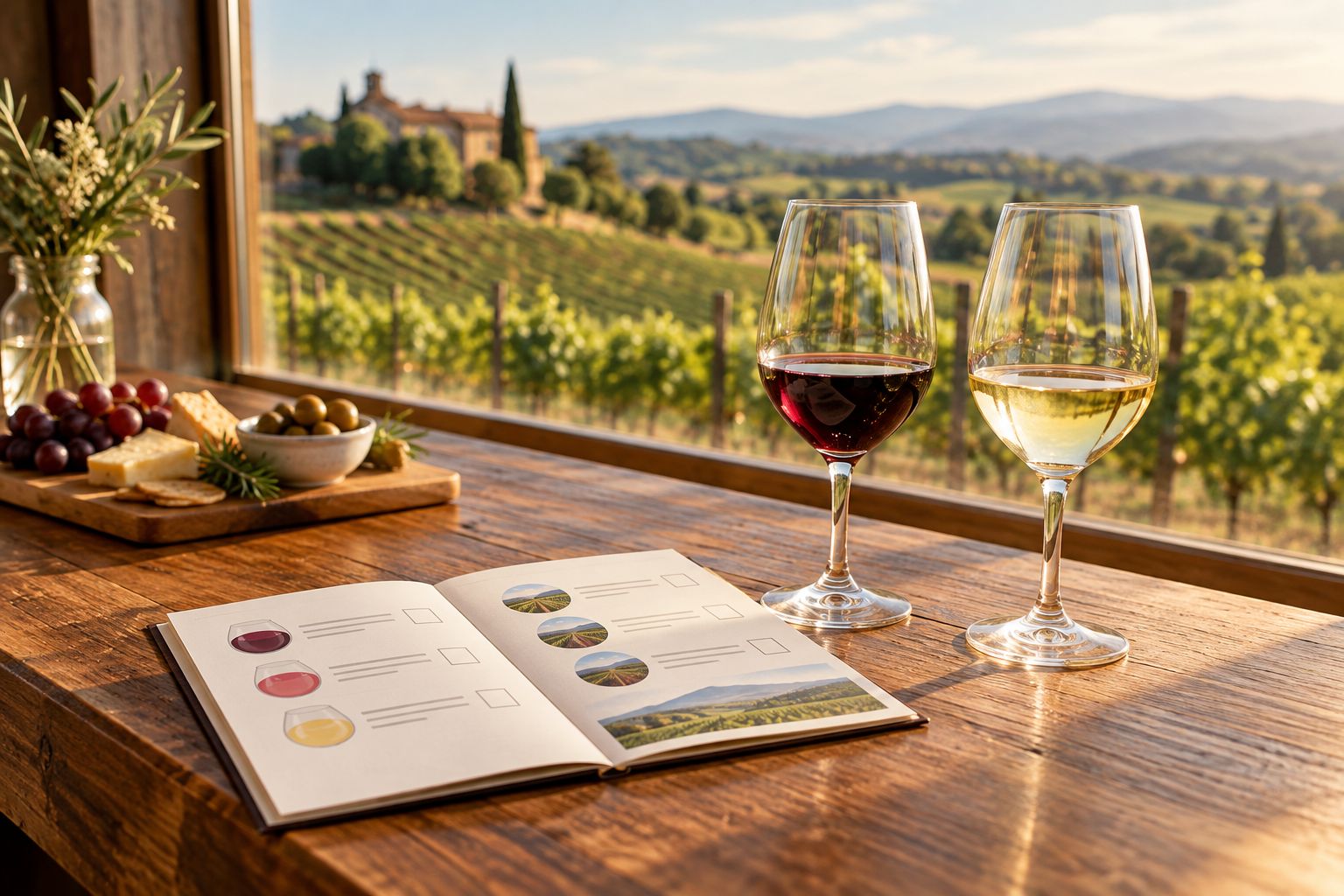
A pass only pays off if you actually track which wineries you've redeemed it at — easy to lose count after the third pour. Triptyka's vineyard checklist for wine club members is a printable bucket-list passport built for exactly this: check off each stop, note the standout pour, and see the full trail at a glance instead of relying on memory.
Plan Your Wine Trail Before You Buy a Pass
See which trail trackers cover the most stops per dollar.
FAQ
How much does a wine trail tasting pass cost in 2026?
A wine trail tasting pass costs $45 on average in 2026, ranging from $20 for a single-day pass to $150 or more for a VIP passport. Prestige regions like Napa and Sonoma sit at the top of that range.
Is it cheaper to buy a pass or pay per tasting?
Paying per tasting at $15-$25 per stop is cheaper if you're visiting three wineries or fewer in a day. A pass wins once you cross four or five stops.
Do wine trail passes expire?
Single-day passes expire the same day, while multi-day passports typically run two to three days from first use. Unused stops don't carry over past the expiration window.
Are wine trail passes refundable?
Most single-day and multi-day passes are non-refundable once purchased. Fully refundable or transferable passes exist but usually price higher than the standard non-refundable tier.
Does a wine trail pass include food?
Most standard passes do not include food pairings — cheese boards or small plates typically add $10-$20 per winery on top of the base pass price. VIP tiers are more likely to bundle a pairing.
What's included in a VIP reserve wine trail pass?
A VIP reserve pass, priced at $100-$200+, usually covers four to eight wineries with estate-reserve or library pours not available on the standard pass. It trades stop count for pour quality.
How do I track which wineries I've visited on a wine trail?
A printable checklist like Triptyka's vineyard tracker lets you check off each stop and note tasting details as you go, which is easier to reference mid-tasting than scrolling a phone app.
One Last Thing
The pass that looks like the best deal on paper — the multi-day passport covering 20 wineries — is the one most people redeem the least. Count how many stops you'll realistically hit in the time you have, then price the pass against that number, not the list of everything included.